Honoring the Final Journey: Social Fabrics and Cultural Customaries in India
Wiki Article
Across the vast and diverse landscape of India, cultural practices surrounding the final farewell of a community member stand as a timeless testament to community devotion. From rural villages to major cultural hubs, the traditions associated with honoring an individual's earthly chapter are rich with regional artistry, historical significance, and intricate social customs. Moving beyond individual grief, these ceremonies strengthen social continuity, uniting relatives, honoring elders, and passing down timeless values. The quiet period immediately after a farewell are characterized by meticulous cultural preparation. Close relatives assemble to carry out customary washing and dressing that have been refined over centuries. The individual is wrapped in pristine ceremonial textiles representing local artistic styles. White garments are most frequently chosen, symbolizing quiet peace, dignity, and cultural simplicity. In other regional communities, traditional textiles featuring intricate patterns or specific cultural colors are chosen to honor the individual's age, social role, or lineage. Fresh blossoms and natural garlands form a central element in these preparations. Vibrant arrangements of native blossoms are layered gracefully upon the resting platform. These floral decorations are far more than aesthetic adornments; they express the collective affection and high esteem of the community. The gentle application of aromatic sandalwood paste, natural rosewater, and traditional herbal essences ensures an environment of supreme dignity, freshness, and cultural charm. One of the most visually striking and culturally significant aspects in regional subcontinental customs is the organized neighborhood procession leading from the home toward nature's resting site. Understood as a public gesture of unity, this peaceful walk along shared streets transforms private grief into a shared community event. Community members, distant relatives, and lifelong friends assemble in front of the family home, dressed in modest, unadorned traditional white clothing to demonstrate solidarity and visual harmony. The loved one rests upon a traditional litter made from natural bamboo, adorned with fresh green leaves, traditional woven textiles, and rich floral garlands. As the walk progresses toward the resting destination, participants share the responsibility of bearing the weight. Sharing this physical task stands as a powerful symbol of social unity, showing that the entire neighborhood shares the family's burden. Across numerous localities, the gentle chiming of bells and melodic flutes guides the walkers, establishing a solemn and respectful mood that honors the individual's legacy within the public sphere. The extraordinary variety of Indian heritage is clearly visible in the local variations that mark each district's traditional customs. Although the foundational principles of hospitality and honor are shared everywhere, the visual and artistic details differ wonderfully across different climatic, geographic, and cultural zones. Once the initial rites conclude, subcontinental tradition observes a dedicated period of domestic hosting, observed over nearly two weeks. Throughout these days, the family home becomes an open sanctuary for visiting friends, distant relatives, and community members who arrive to offer support, food, and companionship. Serving visitors during these days is a cherished cultural duty. Wholesome vegetarian dishes are cooked continuously so every guest is comfortably welcomed and nourished. Sharing food in this manner encourages warm fellowship, provides an opportunity to recount cherished personal stories, allowing the neighborhood to take care of all domestic chores for the family. The conclusion of the primary formal gathering period features a generous community gathering. Senior relatives recount the person's life history, good deeds, and values, preserving family heritage for children and grandchildren. Acts of charitable giving—such as donating clothing to community members, distributing food to those in need, or supporting local educational initiatives—are organized as a meaningful tribute, strengthening societal support systems and charitable values.
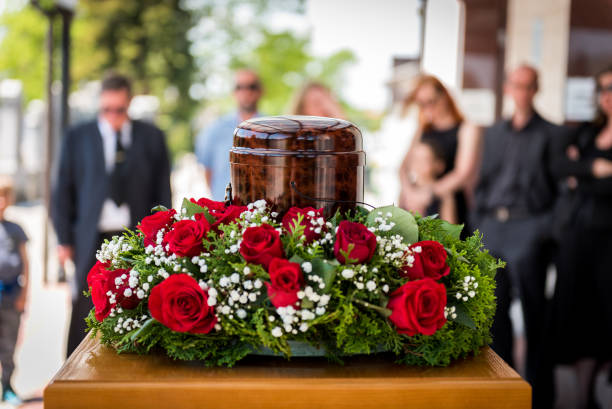
Muktidham Crematory Indian society approaches the honoring of the departed through a harmonious mix of joint effort and refined etiquette. Across both historic towns and modern neighborhoods, the arrival of extended family and supportive neighbors serves as the primary pillar of support. These time-honored practices offer a meaningful space where loved ones share comfort, honor lived memories, and preserve personal accomplishments.
Loving Preparation and Aesthetic Elegance
Processions of Honor: Community Unity
Element
Material Used
Cultural Significance
Attire
Unadorned White Textiles
Reflects modest dignity and visual harmony.
Palanquin Frame
Handcrafted Local Bamboo
Reflects connection to nature and traditional craftsmanship.
Garlands
Fresh Marigolds, Lotus, and Roses
Represents honor, aesthetic beauty, and respect.
Natural Essences
Herbal Extracts and Rose Oils
Ensures sensory grace and natural care.
Regional Variations and Cultural Diversity
Kudlu Crematorium No matter if the community practices gentle earthen burial or ceremonial fire rites, the practice remains deeply rooted in local philosophy of restoring balance with the surrounding natural world through practices that prioritize environmental respect and cultural grace.
Hospitality, Remembrance, and Social Continuity
Conclusion: An Enduring Legacy of Respect
Kudlu Crematorium These subcontinental customs demonstrate a beautiful example of social values, artistic traditions, and profound community solidarity. Through turning a time of loss into an honorable display of community unity, these customs prove the enduring value of shared hospitality and tradition. Through beautiful floral arrangements, white-clad processions, regional artistry, and generous hospitality, communities across India pay magnificent tribute to their elders and keep their rich social fabric alive for years to come.